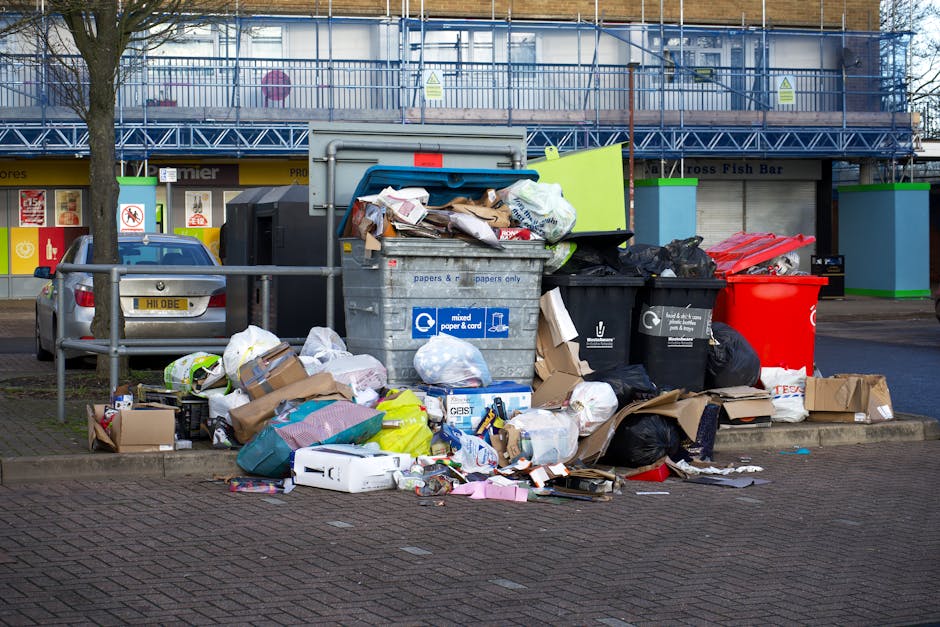
Leyton Marsh estates rubbish recycling points map: a practical local guide
If you live in or near Leyton Marsh and keep running into the same question - where exactly do I take this rubbish, and what goes where? - you are not alone. A good Leyton Marsh estates rubbish recycling points map can save time, reduce mistakes, and make everyday waste handling feel far less chaotic. It is the sort of thing you do not think about until a bag of cardboard, old packaging, or a broken household item is sitting by the door, and then suddenly it matters a lot.
This guide explains how a local recycling points map helps residents, tenants, landlords, and property managers make better disposal decisions. We will look at how to use a map properly, what to check before you leave the house, common errors to avoid, and when it may make more sense to arrange a professional clearance or recycling service. If you want a cleaner, simpler way to manage waste in the Leyton area, you are in the right place.
Table of Contents
- Why Leyton Marsh estates rubbish recycling points map Matters
- How Leyton Marsh estates rubbish recycling points map Works
- Key Benefits and Practical Advantages
- Who This Is For and When It Makes Sense
- Step-by-Step Guidance
- Expert Tips for Better Results
- Common Mistakes to Avoid
- Tools, Resources and Recommendations
- Law, Compliance, Standards, or Best Practice
- Options, Methods, or Comparison Table
- Case Study or Real-World Example
- Practical Checklist
- Conclusion
- Frequently Asked Questions
Why Leyton Marsh estates rubbish recycling points map Matters
At first glance, a recycling points map sounds simple. But in real life, the difference between a smooth disposal run and a frustrating one often comes down to knowing the right place before you set off. Around estate areas, bins and recycling points can be shared, tucked away, or designated for specific materials. Miss one detail and you may find yourself carrying a heavy box back upstairs. Not fun. Not at all.
A Leyton Marsh estates rubbish recycling points map matters because estate waste systems tend to be more structured than ordinary street-level disposal. There may be separate points for mixed recycling, general waste, food waste, bulky items, or resident-only facilities. Some locations may be limited to certain users or require access codes, fobs, or prior arrangements. A clear map helps cut through the guesswork.
It also supports better recycling behaviour. When people can see where items should go, they are more likely to separate cardboard from general rubbish, rinse containers properly, and avoid contamination. That matters because one wrong bag in the wrong bin can make a whole load harder to process. Truth be told, recycling works best when it is easy to understand and easy to do.
Expert summary: The value of a local recycling points map is not just navigation. It is confidence, speed, and fewer disposal mistakes. If a resident can identify the correct point in under a minute, they are far more likely to use it properly.
For households managing larger clear-outs, the map is also useful for planning what can be dropped off, what needs collection, and what should be kept separate. If you are already exploring recycling-friendly disposal options, the information on recycling and sustainability may help you think through the broader environmental side of the job.
How Leyton Marsh estates rubbish recycling points map Works
A recycling points map is usually a visual guide to where different waste streams should be taken. In an estate setting, it may show bin stores, communal containers, collection points, or access-controlled disposal areas. Some maps are printed and posted in communal spaces. Others may be digital, circulated by the managing agent, housing provider, or estate office.
The key thing is that the map should help you identify three basic details: location, waste type, and access rules. That may sound obvious, but it is the bit people often miss. A point may be very close to your block, yet only suitable for cardboard and paper. Another may take mixed recycling, but only during set hours. And yes, the signs can be tiny. Sometimes almost comically tiny.
In practical terms, the map works best when it includes:
- clear labels for each recycling or rubbish point
- simple directions from blocks, entrances, or main paths
- details about permitted waste types
- notes on restrictions, such as resident-only access
- guidance for bulky items or special disposal
For residents in shared housing, the map should also help reduce conflicts. Nobody wants a conversation about overflowing bins on a rainy Tuesday morning. Clear signage and location awareness can make life feel calmer for everyone.
Estate recycling points are not the same as a one-off tip run. They are designed for routine use, so the map should be practical, easy to read, and updated if the layout changes. If the bins move, the map should too. Otherwise, people end up making assumptions, and assumptions are where waste problems start.
Key Benefits and Practical Advantages
A well-made Leyton Marsh estates rubbish recycling points map offers more than convenience. It improves everyday behaviour, reduces confusion, and can even help estates stay tidier. Below are the main benefits, in plain English.
| Benefit | What it means in practice | Why it helps |
|---|---|---|
| Faster disposal | You know where to go without searching around | Saves time and avoids abandoned bags |
| Better sorting | Residents can separate recycling from general waste | Reduces contamination and supports recycling |
| Fewer mistakes | Clear labels reduce guesswork | Less chance of using the wrong bin |
| Cleaner communal areas | Waste is placed in the right point more consistently | Helps limit fly-tipping and mess |
| More confidence for visitors | Guests, carers, or temporary tenants can find the correct place | Useful when not everyone knows the estate layout |
There is another advantage people overlook: it reduces the mental load. Waste and recycling should not become a weekly puzzle. A decent map takes away the friction. You glance, you go, you drop off, done. That small bit of order can make a big difference, especially in busy households or buildings with lots of residents.
For landlords and managing agents, the benefit is just as strong. Better recycling guidance often means fewer complaints, less confusion around shared bins, and fewer issues with overflow. If you are responsible for a property, it may be worth reviewing the practical and support information available on about the team behind the service as well as the page on health and safety policy when considering how waste is handled on site.
Who This Is For and When It Makes Sense
This kind of map is useful for more people than you might think. It is not just for someone doing a big clear-out. In fact, the most common users are everyday residents who simply want to get rubbish into the right place without wandering around at dusk looking for the right bin store.
It makes sense for:
- tenants in Leyton Marsh estate properties
- homeowners with access to communal recycling points
- landlords managing multiple flats or shared facilities
- letting agents onboarding new residents
- caretakers and site managers
- families sorting weekly household waste
- people moving in, moving out, or decluttering
It is especially useful after a move, renovation, or seasonal clear-out. That is usually when the amount of waste jumps and the usual routine falls apart a little. A stack of flattened boxes, old kitchen packaging, broken hangers, and that one mysteriously large bag of mixed bits can turn a simple trip into a problem if you do not know the local setup.
There are also situations where a map helps you decide that a regular recycling point is not enough. For example, if you have furniture, mattresses, appliances, or a larger load of mixed waste, you may need a clearance service instead of taking multiple trips. In those cases, checking pricing and quotes can help you compare the practical options before you commit.
Step-by-Step Guidance
If you are using a Leyton Marsh estates rubbish recycling points map for the first time, keep it simple. The goal is to avoid mistakes, not to turn waste disposal into a project.
- Identify what you need to dispose of. Separate items into broad groups first: general waste, paper, cardboard, plastics, glass, metal, food waste, and bulky items. A rough sort is usually enough to start with.
- Check the map key or legend. Look for colour coding, labels, or symbols. A blue bin may mean one thing on one estate and another thing somewhere else, so never assume.
- Confirm access rules. Some communal points are open to residents only. Others require an fob, key, or timed access. If you are unsure, ask before you carry anything heavy.
- Plan the route. If the recycling point is on the far side of the estate, decide how you will carry the waste. Nobody enjoys balancing a bag of cans and a wobbly cardboard box in the wind.
- Check whether the item needs special handling. Batteries, paint, electrical items, sharps, and some cleaning products may not belong in standard estate bins.
- Drop off clean and sorted waste. Flat-pack cardboard, empty containers, and tidy bags are easier to process and less likely to cause contamination.
- Look back at the signage. If the point was hard to find or the instructions were unclear, make a note. That helps next time, and it is useful if you need to report an issue.
A small habit can make life easier: keep a scrap note or photo of the relevant map on your phone. Not glamorous, but very effective. If the communal board is in a dim corner of the entrance hall, you will be glad you did.
Expert Tips for Better Results
After dealing with a fair number of waste and clear-out situations, one pattern shows up again and again: the people who have the least trouble are the ones who sort early and double-check the basics. Nothing flashy. Just steady habits.
Here are some practical tips that genuinely help:
- Sort before you carry. If you are already at the front door with mixed items, stop and separate them first. It is much easier than re-sorting at the bin store.
- Keep cardboard dry. Wet cardboard gets heavy, messy, and less recyclable. On a damp London afternoon, that matters more than people think.
- Break down bulky packaging. Flatten boxes, fold large pieces, and remove obvious non-cardboard materials where possible.
- Use the map with the estate signs. The map tells you where; the signs tell you what. Together they make the full picture.
- Watch for mixed recycling rules. Some systems accept more than others. "Recycling" is not always one big category.
- Time your visit. Quiet periods are often easier if the bin store is tight or shared by many households.
- Report problems quickly. If a bin is full, damaged, blocked, or wrongly labelled, let the relevant manager know. The issue will not fix itself.
Another useful point: if you are clearing an entire room, do not leave the waste decision until the end. Decide what can go to the recycling point, what needs separate disposal, and what may need collection. That little bit of planning can save you a second trip, and sometimes a third. Nobody wants that.
Common Mistakes to Avoid
People usually do not get recycling wrong because they do not care. It is more often a mix of hurry, unclear instructions, and the assumption that all estate points work the same way. They do not.
Common mistakes include:
- Using the wrong bin because the colour looked familiar. Colours can vary between estates and providers.
- Putting contaminated items in recycling. Food residue, liquids, or mixed materials can make loads harder to process.
- Ignoring access restrictions. A point may be for residents only, or only available at certain times.
- Leaving waste beside the bins. This quickly creates clutter and can attract complaints or pests.
- Forgetting special waste rules. Batteries, electricals, and hazardous items usually need separate handling.
- Assuming the map is always up to date. Estates change. Bins move. Signs get replaced. Old information causes avoidable confusion.
There is also the classic mistake of "I'll remember where it is later." Let's face it, later often becomes a vague memory and a walk in circles. If the point is not obvious, take a quick note or photo while you are there.
Another one is trying to overfill the point because you want to avoid a second trip. That can create the exact problem you were trying to avoid. Better to take a smaller load properly than force too much into the wrong place.
Tools, Resources and Recommendations
You do not need fancy equipment to use a recycling points map well. A few simple tools and habits make a real difference, though.
- Phone camera: Take a photo of the estate map and the signage near the bins.
- Reusable bags or boxes: These help separate waste streams before disposal.
- Marker pen and labels: Handy when sorting items for a move or clear-out.
- Gloves: Useful for handling old packaging, dusty items, or sharp cardboard edges.
- Checklist note: Keep a short list of what goes where, especially if you share the property with others.
If you are arranging a bigger clearance or want support beyond the estate recycling points, you may want to explore the site's information on recycling and sustainability and the practical details on how to get in touch for service questions. For those comparing service levels, the terms and conditions page can also be useful because it helps clarify what is included and what is not.
Where trust and security matter, especially for residents arranging access or payment online, it is sensible to review payment and security and the wider insurance and safety information. It sounds dry, but these pages often answer the questions people do not ask until the last minute.
Law, Compliance, Standards, or Best Practice
Waste disposal in the UK sits within a broader framework of local rules, estate policies, and general duty of care. In plain terms, that means residents and managers should dispose of waste responsibly, follow the estate's instructions, and avoid creating hazards for neighbours or staff.
For an estate recycling system, the most important compliance points are usually practical rather than technical:
- use the correct bin or point for the correct waste stream
- do not leave loose waste in shared areas
- keep access routes clear
- separate any restricted or specialist waste
- follow site-specific instructions where provided
Best practice also means keeping information current. If a recycling point changes location, labels should be updated quickly. If access arrangements change, residents should be told clearly. Small oversights can lead to repeated problems, and repeated problems become complaints before long.
For companies or service providers working on or around residential sites, it is also sensible to be transparent about safety, staff conduct, and operational boundaries. That is one reason pages such as health and safety policy, modern slavery statement, and accessibility statement can matter to readers who want a fuller sense of standards and responsibility. Not glamorous pages, perhaps. Still useful.
If you are dealing with shared housing, blocks with common access, or a property managed on behalf of others, the right approach is usually simple: keep the estate tidy, respect the rules, and ask questions early if anything is unclear. That is the quiet, sensible version of compliance, and it works.
Options, Methods, or Comparison Table
There are a few different ways people handle rubbish and recycling around Leyton Marsh estates. Some are better for routine household waste, while others make more sense for larger jobs or awkward items.
| Method | Best for | Pros | Limitations |
|---|---|---|---|
| Estate recycling point | Regular household recycling and general rubbish | Convenient, local, usually simple | May have restrictions, limited capacity |
| Planned self-sorting and drop-off | Residents with time and transport | Good control over waste separation | Needs effort and correct sorting |
| Professional house clearance support | Bulky items, full rooms, or mixed loads | Saves time and reduces lifting | Costs more than using a communal point |
For many people, the best answer is a blend of methods. Use the estate recycling point for the day-to-day stuff, and choose a more organised clearance route for the bigger jobs. That is often the calmest approach, especially if you are working around a move or a family schedule.
If cost is part of the decision, a short quote comparison can be helpful. You may also want to review pricing and quotes before deciding whether to make multiple trips yourself or bring in support. It is not always about choosing the cheapest option outright; sometimes the better value is the one that saves a Saturday and a headache.
Case Study or Real-World Example
Here is a realistic example. A resident in a Leyton Marsh estate has just finished sorting a one-bedroom flat after a long-overdue declutter. There are cardboard boxes from flat-pack furniture, a few bags of mixed household waste, some old clothing, and a small broken lamp. At first, it looks like one big disposal job. Easy to mix it all together and hope for the best - but that rarely ends well.
Instead, they check the estate map first. The cardboard point is in a side courtyard, the general waste bins are near the main block entrance, and electrical items are not allowed in either place. After a quick sort, the resident flattens the boxes, bags the general waste properly, and sets aside the lamp for separate handling. The whole process takes a bit longer upfront, but the actual drop-off is smoother, cleaner, and less stressful.
That is the real value of a good map. It turns uncertainty into a routine. You may still have to carry a heavy bag or two, yes, but at least you are carrying them to the right place.
In our experience, this is also where people notice the social side of waste management. One resident doing things properly makes the shared area better for everyone else. A tidy bin store on a Thursday evening feels different from a place where bags are left leaning against the wall. You can almost hear the sigh of relief from the people who live nearby.
Practical Checklist
Use this quick checklist before you head to a recycling point on the estate:
- Have I checked what type of waste I am carrying?
- Do I know the correct recycling or rubbish point?
- Have I read any access rules or time restrictions?
- Have I removed food, liquids, or contamination where possible?
- Is the item suitable for the communal point, or does it need special disposal?
- Have I flattened or bagged items to make them easier to handle?
- Do I need gloves, a trolley, or another person to help?
- Is the map or signage up to date?
- Have I planned the return route if the load is awkward?
- Do I need a professional clearance quote instead?
Quick takeaway: sort first, check the map second, and only then carry the load. That order saves a surprising amount of effort.
Conclusion
A Leyton Marsh estates rubbish recycling points map is one of those simple tools that pays off every time you use it. It reduces confusion, supports better recycling, and makes shared estate life feel a little more orderly. Whether you are a resident, landlord, or manager, a clear map and a bit of common sense can prevent most of the avoidable hassle around communal waste.
The best approach is usually the practical one: know what you are disposing of, use the correct point, keep things tidy, and ask for help when a load is too large or too awkward for the estate bins. No drama, no guesswork, just a cleaner outcome.
If your waste or recycling job is bigger than a normal bin run, or you want a clearer plan before you start, take a look at the available service information and make an enquiry here. A little guidance now can save a lot of faffing later.
Get a free quote today and see how much you can save.
Frequently Asked Questions
What is a Leyton Marsh estates rubbish recycling points map?
It is a guide that shows residents where to take different types of waste within or near the estate. It usually covers recycling points, general rubbish bins, and any special disposal areas.
Why do estate recycling points need a map at all?
Because shared estates can be confusing. A map reduces guesswork, helps residents use the correct bins, and makes waste disposal faster and tidier.
Can I put all household waste into one recycling point?
Usually no. Different waste streams often need different bins or disposal routes. General rubbish, cardboard, glass, food waste, and electrical items are commonly handled separately.
What should I do if the recycling point is full?
Do not leave waste beside the bins if you can avoid it. Check whether there is another approved point, report the issue, or hold the waste until the site is cleared.
How do I know if an item is recyclable on the estate?
Check the estate signage and map first. If the item is unusual, bulky, or potentially hazardous, it is safer to treat it as special waste until confirmed otherwise.
Are communal recycling points only for residents?
Often yes, but access rules vary. Some points are controlled by keys, fobs, or designated hours. Always follow the estate's own instructions.
What happens if I put the wrong item in the recycling bin?
It can contaminate the load and make recycling harder. In some cases, the whole bin may need extra sorting or may be rejected, which causes inconvenience for everyone.
Should I flatten cardboard before taking it to the recycling point?
Yes, when possible. Flattened cardboard is easier to carry, takes up less space, and is more manageable in shared bins.
Is a recycling points map enough for a full flat clearance?
Not always. For larger amounts of waste, furniture, or mixed items, you may need a separate clearance plan or quote rather than relying only on communal bins.
What is the best way to avoid mistakes when using estate bins?
Sort your waste before you leave home, check the map and signs, and keep an eye on any access or contamination rules. That simple routine prevents most problems.
Can I ask for help if I am unsure about the disposal rules?
Yes. If the waste is unclear, contact the relevant service team or property contact before disposing of it. It is better to ask once than to fix a mistake later.
Where can I find more information about responsible disposal and support?
You can explore the site's recycling guidance, service details, and trust pages such as recycling and sustainability, about us, and pricing and quotes for a clearer picture of your options.