Brisbane Road Leyton bulky rubbish pickup zones and tips
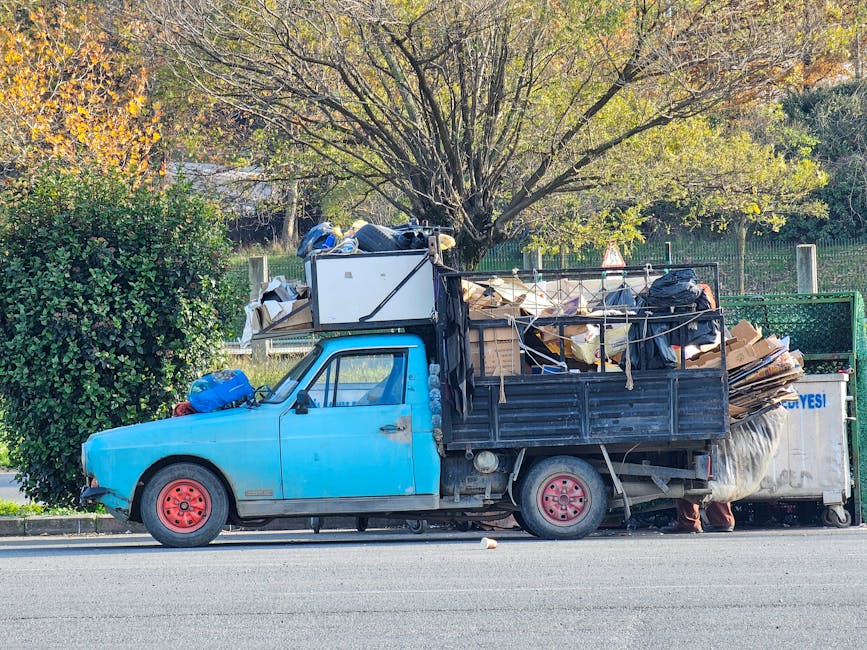
If you live, work, or manage a property near Brisbane Road in Leyton, bulky rubbish can become a surprisingly awkward task. One sofa ends up in the hallway, a broken wardrobe sits in the shed, and suddenly you need a clear plan for collection, access, timing, and where the waste should actually go. That is exactly where Brisbane Road Leyton bulky rubbish pickup zones and tips come in.
This guide breaks the subject down in plain English. You will learn how pickup zones usually work around the area, what counts as bulky waste, how to prepare items properly, and the little details that save time on the day. If you are arranging a one-off clearance or comparing service options, it should help you avoid the usual headaches. Truth be told, it is often the small things - a missed access note, a blocked street, a mattress left unwrapped in the rain - that cause the biggest delay.
We will also cover best practice, common mistakes, practical checklists, and a simple comparison of collection options so you can decide what makes sense for your situation.
Why Brisbane Road Leyton bulky rubbish pickup zones and tips Matters
Bulky rubbish is not just "bigger rubbish." It is the kind of waste that needs planning because of its size, weight, awkward shape, or how it affects access on collection day. Around Brisbane Road and the surrounding Leyton streets, that planning matters even more because local roads, loading space, parking pressure, and shared access points can all affect how smoothly a pickup goes.
For residents, landlords, shop managers, and local businesses, a poor setup can mean extra labour, longer waiting times, or a failed collection. That is annoying at the best of times. In a busy part of East London, it can also affect neighbours, customers, and building access. A neat pickup plan keeps hallways clear, reduces disruption, and helps waste teams move faster and more safely.
There is also a practical cost angle. If items are sorted badly or left in the wrong place, crews may need extra handling time. And if the waste is mixed with restricted materials, such as electrical items or sharp broken parts, the collection method may need to change. To be fair, many bulky waste problems are not dramatic - they are just avoidable.
If you are dealing with mixed household items, it can help to understand the wider service picture too. For instance, some customers first look at house clearance in London when they realise the job is bigger than a simple sofa pickup. Others need a more targeted furniture disposal solution because the main issue is one or two large items rather than a full clearance.
How Brisbane Road Leyton bulky rubbish pickup zones and tips Works
In practical terms, a bulky rubbish pickup zone is the area where your waste is expected to be placed for collection, together with the access route the crew will use to reach it. The exact setup depends on the type of service you arrange, but the basic principle stays the same: the collection team needs clear, safe access and the items need to be ready in the right place at the right time.
Around Brisbane Road in Leyton, that could mean a front pavement, a designated loading point, a yard entrance, or another agreed collection location. For flats, it may mean a ground-floor pickup point or a communal area that can be accessed without blocking escape routes. For businesses, it may involve a service entrance or a back-of-house loading space. It sounds simple. It often is. But only when the arrangement is clear.
Most bulky waste collections work in a few stages:
- You identify the items to remove and check whether they are bulky, heavy, reusable, dismantlable, or restricted.
- You confirm the access point and pickup zone so the crew knows where to come in and where items should be staged.
- You separate items by type where needed, especially if there are electricals, mattresses, mixed materials, or sharp components.
- You set out the waste in advance or agree a same-day collection point, depending on the service.
- The crew removes the items, loads them safely, and handles them according to the provider's process.
That is the tidy version. In reality, the trick is in the details: whether the road can take a van without causing problems, whether a corridor is wide enough, whether a lift is suitable, whether the item will fit through the door once the legs are removed. These are the boring questions that save time and stress.
If you are unsure which route suits your property type, it can help to compare service categories. Some people only need commercial rubbish removal for a shop or office clear-out, while others are better served by a standard household collection. The right answer depends on access, volume, and how much sorting you want to do yourself.
Key Benefits and Practical Advantages
Done properly, bulky waste pickup is one of those jobs that quietly improves the whole place. You clear floor space, make rooms easier to use, and remove trip hazards that have been bothering you for weeks. If you have ever had an old sofa taking up half a living room, you know the feeling. The room changes the moment it leaves. A bit of breathing space returns.
Here are the main benefits people usually care about:
- Faster clearance: A clear pickup zone means less time spent moving items on the day.
- Lower risk of damage: Less dragging through hallways, stairwells, and door frames.
- Safer handling: Heavy or sharp waste can be managed with less chance of injury.
- Better neighbour relations: Less blockage, less noise, less mess in shared spaces.
- Cleaner presentation: Useful for landlords, letting agents, shops, and managed buildings.
- More predictable costs: Good preparation often helps avoid extra labour or repeat visits.
There is another benefit people sometimes overlook: better decision-making. Once the items are gathered and the access route is clear, you can see whether everything should be removed, dismantled, donated, or separated into different waste streams. That clarity is useful. It stops the classic "we might as well keep this chair just in case" conversation. We have all had it.
Where the job includes multiple item types, many customers also find it useful to explore related services such as office clearance or broader waste management support. Those options are not always necessary, but they are worth knowing about if the pickup is part of a larger tidy-up.
Who This Is For and When It Makes Sense
Not every bulky waste job needs the same level of preparation. Some are simple. Others are more awkward than they first look. The people who tend to benefit most from a careful pickup-zone plan are:
- Homeowners and renters clearing out old furniture, white goods, or mixed household clutter.
- Landlords and letting agents preparing a flat between tenancies.
- Shop owners and managers removing display units, stock fixtures, or packaging waste.
- Office teams replacing desks, chairs, shelving, or IT-related waste.
- Building managers who need to protect shared areas and keep access routes open.
- Anyone with limited lifting ability who wants the job handled safely and efficiently.
It makes sense to plan a pickup zone when the waste is too large for normal bins, too awkward for a quick car trip to the tip, or too much to handle without help. It also makes sense when you are trying to keep disruption low. If you are on a busy street near Brisbane Road, you may not want items sitting out any longer than necessary. Fair enough.
A good rule of thumb: if you are asking yourself, "How will this actually get out of the building?" then it is probably time to map the pickup properly before collection day.
Step-by-Step Guidance
If you want the pickup to go smoothly, work through the job in order rather than at the last minute. Rushing tends to create the very problems you were trying to avoid.
1) Identify everything that needs to go
Start with a full walk-through of the property, room by room. Look in corners, under worktops, in cupboards, behind doors, and in storage spaces. Bulky waste often hides in plain sight. A broken table, an old office chair, a mattress, a collapsed shelving unit - they all have a habit of reappearing when you think the place is already "done."
2) Separate the items by type
Group furniture, mattresses, electricals, metal items, and mixed debris separately where practical. This helps the team assess handling needs. It also makes it easier to spot anything that needs special care. For example, a stripped bed frame and a fully assembled wardrobe are not the same job, even if they occupy the same room.
3) Measure access points
Check door widths, stair turns, lift size, and any tight hallways. If an item will not fit, dismantling may be needed before collection. That is one of those details people only remember after the item has already scraped the wall. Painful. A quick measurement beforehand avoids the drama.
4) Confirm the pickup zone
Decide exactly where the waste should be placed. For a house, that may be just inside the front entrance or at the pavement edge. For a flat, it may be a ground-floor common area with clear access. For a business, a service yard or loading bay may be better. The key is consistency. Everyone should know the spot.
5) Clear the route
Move loose rugs, plant pots, bikes, boxes, and anything else that might slow the crew down. Keep the route to the pickup zone dry and free of clutter where possible. A small patch of wet leaves or a tight stack of boxes can make a simple job surprisingly awkward, especially early in the morning.
6) Label or note anything unusual
If there is a heavy item, a sharp edge, a broken glass panel, or a problem with access, say so in advance. You do not need a long essay. Just the useful facts. "Three-storey walk-up." "Sofa split into two pieces." "Rear access through side gate." That sort of thing.
7) Keep the pickup zone free on collection day
Once the items are staged, do not drift them around. It sounds obvious, but on busy days people often shuffle things "just a bit" and then no one knows what was meant to go. Keep the zone tidy and leave a little buffer space around large items.
8) Confirm the handover
Before the crew leaves, check that everything intended for removal has gone. If something was missed, raise it immediately rather than assuming it will be obvious later. On a hectic schedule, a missed item can be annoying to resolve. Better to catch it on the spot.
Expert Tips for Better Results
Here is the bit people often want but rarely get from a generic guide: the small, practical tips that make the whole thing easier. These are the habits that save you from last-minute scrambles.
- Take photos before the pickup. A quick phone photo of the items and access route helps everyone stay aligned.
- Dismantle where sensible. A flat-pack wardrobe or bed frame is much easier to handle in parts than as one awkward lump.
- Keep electricals separate. Old monitors, microwaves, kettles, and similar items may need different handling from furniture.
- Protect shared areas. Cardboard on floors or corner protection can help if items need to move through narrow spaces.
- Check weather and timing. A damp morning can make a pavement slippery and a rainy evening can turn cardboard into mush. Simple but true.
- Build a small buffer. If collection is booked for midday, aim to have the zone ready earlier, not "about five minutes before."
One of the best tips, especially around busier parts of Leyton, is to think about the street as well as the property. Is there enough space for a vehicle to stop briefly without causing trouble? Is the pickup zone visible from the road? Will the waste be safe if it has to wait for a short time? These are the little real-world questions that separate a smooth collection from a messy one.
And yes, sometimes a collection looks straightforward until the last metre. That final metre is where most of the faff lives.
Common Mistakes to Avoid
Most bulky waste issues come from a handful of predictable mistakes. Avoid these and the job usually becomes much easier.
- Leaving items mixed together. A jumble of furniture, rubble, and electricals slows assessment and handling.
- Forgetting access constraints. Narrow halls, stair turns, and parking limits matter more than people expect.
- Placing waste in the wrong spot. If the pickup zone is vague, items can end up blocking a path or being missed.
- Underestimating item weight. A large wardrobe or old appliance can be awkward in a way that surprises you.
- Not checking for hidden contents. Shelving, drawers, and cupboards can contain loose items that spill everywhere.
- Ignoring fragile or sharp edges. Broken glass, splintered wood, and bent metal need care.
- Waiting until the last minute. That one is common. Very common.
Another mistake is assuming every provider will handle every type of bulky waste in exactly the same way. That is not always true. Some jobs need more labour, different loading arrangements, or specific handling for certain materials. If in doubt, ask the practical questions early. Saves grief later.
Tools, Resources and Recommendations
You do not need much fancy kit to prepare a good pickup zone, but a few simple tools can make a noticeable difference. Nothing glamorous here. Just the basics that get the job done.
- Measuring tape: Useful for doors, hallways, lift dimensions, and awkward furniture widths.
- Marker labels or tape: Helps identify items to remove or items that must stay.
- Gloves: Handy for sorting dusty, splintered, or sharp-edged waste.
- Phone camera: Ideal for recording the job setup and access route.
- Basic trolley or sack truck: If you are moving items short distances before collection.
- Dust sheets or cardboard: Useful for protecting floors in shared or sensitive areas.
If your project is larger than expected, it may also help to think in terms of service type rather than item type. A single awkward sofa is one thing. A full room clear-out is another. Where the job grows, people sometimes move from a simple furniture pickup to a wider mattress disposal or mixed waste solution, depending on what is left behind. That flexibility matters more than most people realise.
For ongoing cleaning and collection needs, some customers also review skip hire as a comparison option. It is not always the right answer for a Bristol Road or Leyton street-level pickup, but it is worth comparing if you have mixed waste over several days and need a fixed container on site.
Law, Compliance, Standards, or Best Practice
Bulky rubbish collection in the UK sits inside a broader framework of waste handling responsibility, safety, and proper disposal. You do not need to become a waste-law expert to arrange a pickup, but you should know the basics.
First, waste should be transferred to a legitimate handler that can deal with it appropriately. That sounds obvious, yet it is one of the main reasons people choose a provider carefully. If waste is handed to the wrong party, it can create problems later for the original owner, especially if the rubbish turns up fly-tipped. Nobody wants that phone call.
Second, certain items deserve extra caution. Electricals, sharp materials, items contaminated by food, and large furniture with hidden fixings all need sensible handling. Best practice is to separate these where possible and disclose anything unusual before collection.
Third, in shared buildings and on public streets, access and safety matter. Waste should not block fire exits, pavements, communal hallways, or vehicle routes. If the pickup zone is in a location with residents or customers passing through, it should be tidy and clearly controlled.
Finally, if you are managing a business or property, it is worth keeping a simple record of what was removed, when, and by whom. Not a giant folder. Just enough to show good housekeeping. That kind of record is quietly useful if there is ever a question later.
Best practice, in plain terms: keep it safe, keep it traceable, keep it clear.
Options, Methods, or Comparison Table
There is more than one way to handle bulky rubbish around Brisbane Road and Leyton, and the best choice depends on time, access, volume, and how hands-on you want to be. Here is a straightforward comparison.
| Method | Best for | Advantages | Limitations |
|---|---|---|---|
| Bulky item pickup | Single items or a small group of large pieces | Simple, quick, minimal disruption | May need precise pickup-zone planning |
| House clearance | Multiple rooms, tenancy changes, larger declutters | Efficient for bigger jobs, more comprehensive | Usually more involved than a basic pickup |
| Office or commercial clearance | Desks, chairs, fixtures, and workspace waste | Suited to business access and timing needs | May require coordination around trading hours |
| Skip hire | Longer projects or self-managed loading | Good for gradual filling over time | Needs space and can be less convenient on busy streets |
| Furniture-only removal | Sofas, tables, wardrobes, beds | Focused and often straightforward | Less suitable if waste is mixed |
If you are choosing between these, ask yourself one simple question: do I want to manage the sorting and loading myself, or do I want a team to take the pressure off? That answer usually narrows the choice quickly. Sometimes very quickly.
Case Study or Real-World Example
Here is a realistic scenario from the kind of job people near Brisbane Road often face.
A small rental flat had a sofa, a broken coffee table, a mattress, and a few bags of mixed household waste left after a tenant move-out. At first glance, it looked like a one-visit pickup. But the building had a narrow communal entrance, a tight stair turn, and limited kerbside space. The team had to know exactly where the items would be staged and which pieces needed dismantling before removal.
The solution was simple, but it worked because the planning was done early:
- The sofa was measured and checked before collection.
- The table was broken down into manageable sections.
- The mattress was kept separate and easy to lift.
- The pickup zone was agreed as a ground-floor internal point near the exit.
- Loose waste bags were grouped neatly so nothing got missed.
The job moved faster than it would have if the items had been scattered around the flat. More importantly, the shared hallway stayed clear, neighbours were not disrupted, and the landlord could hand the property back in better condition. Simple, really, but only because the access and zone were thought through in advance.
That is the pattern you want to copy. Not fancy. Just organised.
Practical Checklist
Use this checklist before collection day. It is basic, yes, but basic is often what saves the day.
- Identify every bulky item that needs removal.
- Separate furniture, electricals, mattresses, and mixed waste.
- Measure doors, lifts, hallways, and stair turns.
- Confirm the exact pickup zone.
- Check whether the route is clear of clutter.
- Note anything heavy, fragile, sharp, or unusually awkward.
- Dismantle items where sensible and safe.
- Protect floors or shared areas if needed.
- Keep the agreed collection point tidy and accessible.
- Do a final check before the crew leaves.
Quick takeaway: the cleaner the route and the clearer the pickup zone, the smoother the whole job tends to be. It really is that straightforward.
Conclusion
Brisbane Road Leyton bulky rubbish pickup zones and tips are really about one thing: making a difficult job feel manageable. When you know where the waste will go, how the access works, and what needs separating, everything gets easier. Less stress, fewer delays, better results.
Whether you are clearing one heavy item or planning a bigger removal, the same principles apply: prepare early, keep the route clear, and think about safety as well as convenience. That approach works for households, landlords, and businesses alike.
If you want the process to stay simple, start with the pickup zone and work backwards from there. That one decision often determines how smooth the rest of the day will feel. And on a busy street, smooth is worth a lot.
Get a free quote today and see how much you can save.
Sometimes the best part of a bulky waste job is not the removal itself, but the quiet moment after, when the space finally feels open again. A bit lighter. A bit easier to live in.
Frequently Asked Questions
What counts as bulky rubbish near Brisbane Road in Leyton?
Bulky rubbish usually means items too large, heavy, or awkward for normal household bins. Common examples include sofas, mattresses, wardrobes, tables, chairs, and some appliances. If it is difficult to carry, awkward to move, or takes up a lot of space, it probably counts.
Where should bulky waste be placed for collection?
It should go in the agreed pickup zone, which might be a front pavement, a ground-floor entrance point, a service yard, or another safe access location. The key is that the collection team can reach it without blocking exits or creating a hazard.
Do I need to dismantle furniture before pickup?
Not always, but it can help a lot. If a bed frame, wardrobe, or table is too large for the access route, dismantling may be the easiest solution. A quick check of dimensions before collection is usually worth the effort.
Can bulky rubbish be collected from flats and shared buildings?
Yes, but access matters more in shared buildings. You will want to keep communal hallways clear and make sure the pickup point does not interfere with neighbours, lifts, or fire routes. Clear communication is especially useful in blocks of flats.
What if my waste includes electrical items?
Electrical items should be separated and flagged during booking or planning. They may need different handling from general furniture or mixed rubbish. It is best to mention them early rather than leaving them mixed in with everything else.
Is skip hire better than a bulky pickup?
It depends on the job. Skip hire can work well for gradual clear-outs or projects where you want to load waste yourself over time. Bulky pickup is often better for one-off large items or faster removal with less handling on your part.
How do I avoid extra delays on collection day?
Prepare the items in advance, confirm the pickup zone, keep the route clear, and give notice of anything unusual. The more the team has to guess, the more likely the job is to slow down. A few photos can help too.
What items are most commonly missed?
People often forget smaller items stored near the main waste pile, such as lamp stands, drawer units, side tables, or loose bags. It helps to do one final sweep of the area before the crew arrives. You would be surprised how often a "small extra" becomes the thing someone meant to remove all along.
Are there any safety concerns I should think about?
Yes. Heavy lifting, broken glass, splintered wood, and tight stairways all create risk. If an item looks unstable or awkward, do not force it. Safer handling is better than rushing and causing damage or injury.
What is the best way to prepare a pickup zone in a busy street area?
Keep the collection point as close as possible to the agreed access route, reduce clutter, and make sure the items are ready on time. In a busier part of Leyton, the less time waste spends exposed on the pavement, the better.
Do landlords or agents need special planning for bulky waste?
They often do, especially during tenancy changes. Clearance may need to be scheduled around key handovers, inspections, or repairs. Good planning helps protect the property and avoids delays between tenancies.
Can I mix furniture and general rubbish together?
Sometimes yes, but it depends on the provider and the types of waste involved. Mixed loads are common, yet separating items where possible usually makes collection easier and safer. If in doubt, describe the waste clearly before arranging pickup.
How far in advance should I plan?
For a simple pickup, a short lead time may be enough. For larger clear-outs, tight access, or jobs involving several item types, it is wiser to plan earlier. A bit of notice gives you time to measure, sort, and avoid the usual scramble.
What is the most common mistake people make?
The most common mistake is underestimating access. Items may be easy to list, but hard to move. Once the hallways, stairs, doors, and pickup zone are considered properly, the rest usually falls into place much more cleanly.